Transform Your Kitchen: The Advantages of Cabinet Refinishing
Cabinet refinishing provides an effective approach for homeowners seeking to upgrade their kitchens without the expenses tied to complete replacements. This method not only revitalizes the appearance of existing cabinets but also aligns with sustainable practices by reducing waste. With an extensive selection of finishes and colors to choose from, homeowners can create a customized appearance. Nevertheless, the process demands thorough planning and thoughtful consideration. What are the key steps to ensure a successful transformation?
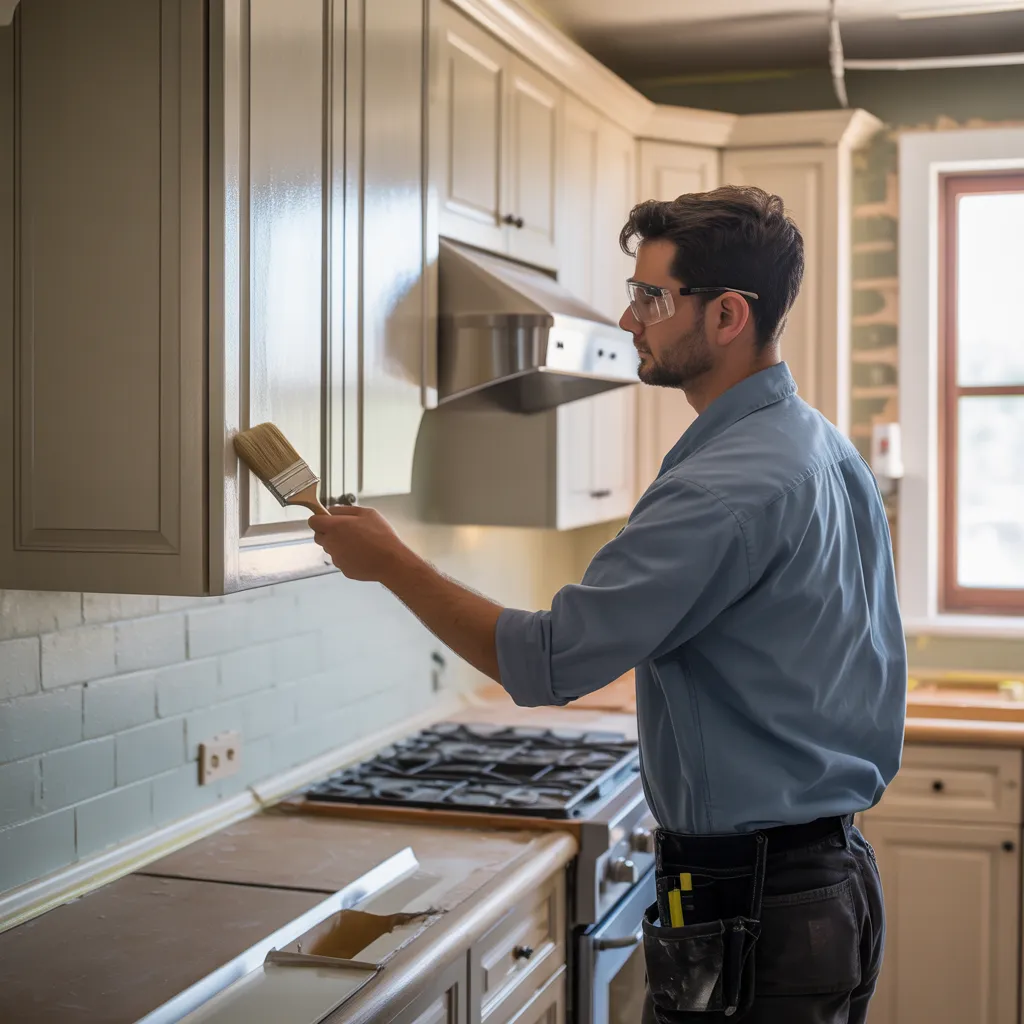
How to Successfully Refinish Your Cabinets
Refacing cabinets requires a series of careful steps that will dramatically improve a kitchen's overall aesthetic. The procedure commences with a comprehensive cleaning phase, making sure all dirt and residue are eliminated. Following that, all hardware needs to be removed, enabling easier work on the exposed areas. Sanding follows, which helps the new finish adhere properly by creating a smooth base.
After sanding, it is important to remove dust using a damp cloth. The following step involves the application of a primer, which enhances the durability of the finish. Once the primer dries, the actual refinishing can begin, typically involving multiple coats of paint or stain. Each coat requires adequate drying time to ensure a perfect finish. Lastly, when the last coat has completely dried, reinstalling the hardware brings the project to completion. By following these steps methodically, homeowners can transform their kitchen's look without the cost of a full remodel.
Selecting Finishes and Colors for Cabinet Refinishing
Choosing the best finishes and colors for refinishing cabinets can profoundly influence the overall look of a room. Current color trends tend to evolve, affecting decisions on colors that enhance the surrounding decor. Furthermore, knowing a range of finish options and how they coordinate with certain aesthetic styles is essential for producing a well-coordinated finish.
Top Color Trends
What colors and finishes are currently capturing the attention of homeowners seeking to refresh their cabinets? Gentle neutrals, including warm grays and creamy whites, are trending options, delivering an enduring and flexible base for diverse kitchen aesthetics. Furthermore, rich blues and forest greens are growing in popularity, creating a powerful visual impact while retaining a refined appearance. These vibrant shades produce a compelling contrast alongside lighter surfaces and fixtures. Another emerging trend includes the use of matte finishes, which impart a modern and sophisticated look, steering away from high-gloss surfaces. Homeowners are further embracing two-tone cabinetry, merging varied colors for a vibrant and individualized style, allowing for creativity while enhancing visual interest in the kitchen space.
Understanding Finish Types
With popular color trends like soft neutrals and bold hues enchanting homeowners, selecting the right finish becomes increasingly important in cabinet refinishing. Different finish types fulfill distinct aesthetic and functional roles. As an example, a matte finish provides a modern, understated appearance, while a high-gloss finish improves durability and intensifies color vibrancy. Satin finishes strike a balance, providing a soft sheen that complements various styles. Additionally, water-based finishes are favored for their low odor and quick drying time, while oil-based alternatives provide a rich, intense color but demand extended drying periods. Grasping these distinctions empowers homeowners to identify finishes that align with modern trends while addressing their unique needs and preferences, guaranteeing a rewarding cabinet transformation.
Matching Styles and Themes
As homeowners start the journey of cabinet refinishing, matching finishes and colors to existing styles and themes is crucial for attaining a harmonious aesthetic. Picking the ideal shades and textures can enhance the overall aesthetic of the kitchen, regardless of choosing a contemporary, rustic, or classic design. For updated kitchens, clean, shiny finishes in understated hues are often preferred, while softer, flat finishes pair beautifully with farmhouse aesthetics. Moreover, further information opposing color choices can generate visual intrigue when matched deliberately with countertops and backsplashes. Homeowners should consider existing elements, such as flooring and appliances, to guarantee harmony. By carefully matching styles and themes, updated cabinets can convert the kitchen into a cohesive and welcoming area.
Why Cabinet Refinishing Is Better Than Replacement
Although the appeal of new cabinets is understandable, cabinet refinishing provides a highly practical and cost-effective solution for those wanting to revitalize their kitchen areas. Cabinet refinishing lets homeowners keep their existing structures while achieving a fresh new aesthetic, saving both valuable time and significant money. This technique encompasses stripping, sanding, and refinishing with new paint or stain, resulting in a fresh look without the need for full replacement.
In addition, refinishing minimizes waste and is more environmentally friendly than discarding old cabinets. The core structure is kept in place, ensuring lasting strength while decreasing the environmental impact of manufacturing replacement cabinetry. Property owners can further personalize finishes to align with their developing tastes, attaining a customized appearance without significant remodeling. At the end of the day, cabinet refinishing distinguishes itself as a sensible decision, combining visual appeal with sustainability while steering clear of the considerable costs and disruptions of complete cabinet replacement.
How Cost-Effective Is Cabinet Refinishing?
Cabinet refinishing offers a budget-friendly approach for homeowners seeking change in search of an enhancement. By greatly lowering material expenses and minimizing labor expenses, this option proves to be an compelling substitute to complete replacement. As a result, resurfacing enables a refreshed aesthetic while protecting financial limits.
Lower Material Expenses
When homeowners want to revitalize their kitchens, selecting cabinet refinishing stands out as a smart financial option. As opposed to total cabinet replacement, which demands sourcing new materials and hardware, refinishing concentrates on improving existing frameworks. This method significantly lowers material costs, as it primarily requires paint, stain, and sealants rather than entire cabinets. Additionally, refinishing eliminates the need for costly new cabinetry, which can escalate project budgets. Homeowners can accomplish a completely new aesthetic without the financial pressure of procuring and installing new materials. By choosing refinishing, they not only cut expenses but also reduce waste, making it an environmentally conscious choice. Consequently, cabinet refinishing emerges as an excellent solution for those seeking to renovate their kitchens cost-effectively.
Decreased Workforce Costs
Updating kitchen appearances grows more affordable with lower labor expenses tied to cabinet refinishing. Unlike full cabinet replacement, which often requires extensive installation efforts, refinishing generally entails fewer labor-demanding procedures. Experienced technicians can effectively strip, sand, and refinish current cabinets without requiring structural modifications. This streamlined approach not only shortens project timelines but also minimizes labor hours, resulting in considerable financial savings for property owners. Additionally, many refinishing projects can be completed in a matter of days, limiting interference in the living space. By prioritizing aesthetic improvements over full replacements, homeowners can achieve a refreshed look while keeping expenses manageable. Overall, reduced labor costs make cabinet refinishing a financially savvy choice for kitchen transformation.
How Cabinet Refinishing Can Increase Your Home's Value
Refinishing cabinets not only revitalizes a kitchen's aesthetic but also greatly enhances a home's market appeal. Prospective buyers frequently favor modernized kitchens, seeing them as an indicator of thorough home upkeep and attention. A renewed, stylish aesthetic can greatly influence initial impressions, motivating prospective buyers to imagine themselves enjoying the space.
Moreover, refinished cabinets can produce a harmonious design, keeping pace with today's design aesthetics and boosting the apparent value of the house. By going with a refinishing approach over complete replacement, home owners can achieve a upscale finish at a fraction of the cost, establishing it as a financially savvy choice that pays dividends upon selling the home.
In the end, a professionally refinished kitchen can distinguish a home from competing properties, potentially leading to more rapid sales and better offers. This improvement not only elevates the current living experience but also serves as a strategic move for long-term financial gain.
The Environmental Advantages of Cabinet Refinishing
Refinishing cabinets offers considerable environmental advantages, as it reduces the need for new materials and limits waste. By choosing to refinish rather than replace cabinets, homeowners can significantly reduce the demand for wood and related resources, which aids in preserving forests and ecosystems. This practice also limits contributions to landfills, as discarded cabinets often create significant waste.
In addition, refinishing typically requires less chemicals and materials compared to full replacements, resulting in a smaller ecological footprint. Employing eco-friendly paints and coatings can additionally improve these benefits, minimizing harmful emissions across both manufacturing and application processes.
In addition, the power consumption associated with creating new cabinets is eliminated, supporting a more sustainable method of home improvement. In summary, cabinet refinishing not only rejuvenates household areas but also contributes positively to environmental conservation efforts, making it a responsible option for sustainability-minded homeowners.
Frequent Errors to Steer Clear of When Refinishing Cabinets
Numerous homeowners neglect critical steps when restoring cabinet surfaces, leading to unsatisfactory results. One common mistake is failing to completely clean the cabinet surfaces beforehand. Dust, grease, and grime can prevent adequate paint or stain adhesion. Additionally, neglecting to sand the cabinets adequately can produce a poor-quality finish. It is common for homeowners to overlook the value of choosing a suitable primer; the wrong option can undermine the overall quality and lasting results.
One other typical oversight is neglecting to use proper tools, which can result in uneven application. Time management is also vital; moving too quickly through the steps can lead to messy outcomes. Finally, inadequate ventilation during the cabinet refinishing process can create health hazards and affect the finish. By avoiding these common pitfalls, cabinet owners can attain a polished, professional outcome that improves both the appearance and durability of their cabinets.
Questions We Often Receive
How Much Time Does Cabinet Refinishing Usually Require?
Cabinet refinishing typically takes around three to five days. This period covers preparation, sanding, applying new finishes, and drying. Variables including cabinet size and complexity can impact the total time needed to complete the project.
Is It Better to Refinish Cabinets Myself or Hire a Professional?
Individuals may opt to handle cabinet refinishing as a DIY project, which saves money but demands time and expertise. On the other hand, enlisting a professional contractor guarantees quality results and efficiency, making it an ideal choice for those without the necessary experience or resources.
What Are the Best Materials for Cabinet Refinishing Projects?
For cabinet refinishing work, high-quality sandpaper, wood primer, and durable paint or stain are essential. Additionally, employing a reliable brush or sprayer delivers a uniform finish, while sealants provide protection against wear and moisture.
Can Refinishing Cabinets Impact My Kitchen's Warranty?
Cabinet refinishing may impact the warranty of a kitchen, based on the manufacturer's policies. Cabinet owners should review warranty documentation or reach out to the manufacturer to understand any possible implications before starting cabinet refinishing work.
How Do I Maintain Refinished Cabinets Long-Term?
To preserve refinished cabinets over time, consistent cleaning with gentle cleansers, avoiding harsh chemicals, and applying soft cleaning cloths is crucial. Additionally, controlling humidity and temperature can prevent damage, guaranteeing long-lasting beauty and function.